
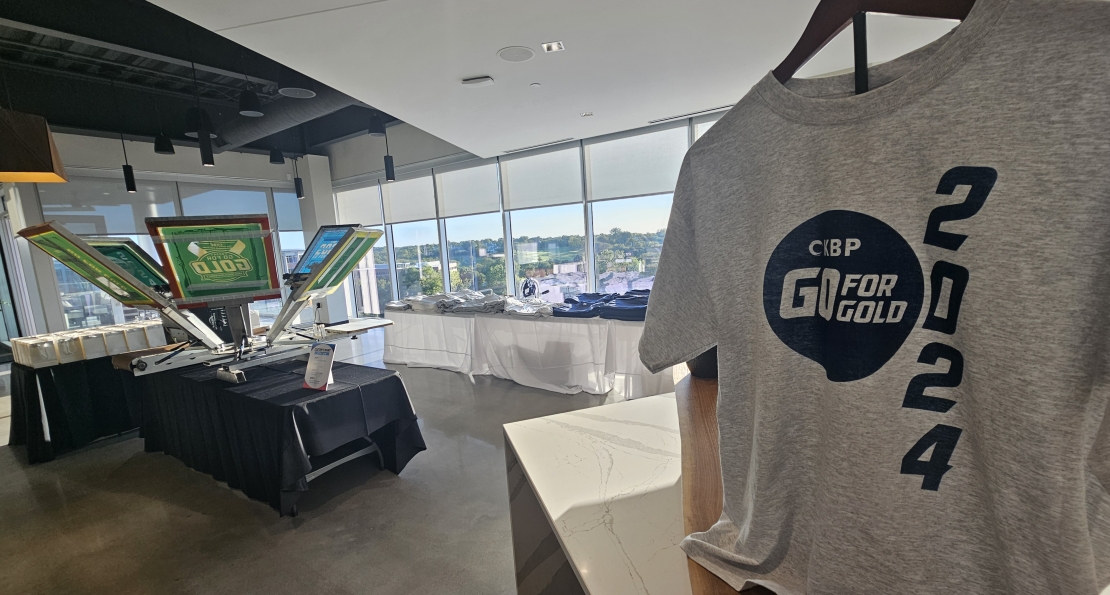
Experiential marketing continues to evolve at an incredible pace. As consumers become more selective about the brands they engage with, companies are shifting away from traditional promotional tactics and investing in experiences that create genuine human connections.
Trade shows, conferences, festivals, retail activations, product launches, and corporate events are no longer just opportunities to hand out promotional products—they're opportunities to create memorable moments that attendees share online, talk about afterward, and associate with a brand for years to come.
Throughout 2026, we've seen brands prioritize personalization, interactivity, sustainability, and measurable engagement more than ever before. Looking ahead to 2027, those trends are expected to accelerate as marketers continue searching for ways to stand out in increasingly crowded event spaces.
Whether you're planning a nationwide activation, conference booth, employee appreciation event, or retail pop-up, here are the five experiential marketing trends shaping the rest of 2026—and what they'll mean for events in 2027.
1. Live Personalization Will Become the New Standard
Consumers have grown accustomed to personalized online experiences. Now they're expecting that same level of customization in person.
Instead of receiving generic giveaways, attendees increasingly want products that are made specifically for them while they watch.
This is one of the biggest reasons live customization has become one of the fastest-growing segments of experiential marketing.
Brands are incorporating experiences like:
- Live screen printing
- Live embroidery
- Live laser engraving
- Hat patch bars
- Heat press customization
- Monogramming
- Custom luggage tags
- Personalized drinkware
- Engraved accessories
Watching an item being created adds entertainment to the activation while dramatically increasing the perceived value of the giveaway.
Rather than leaving with another branded pen that gets tossed into a drawer, attendees walk away with something they helped create.
That emotional investment matters.
People are significantly more likely to:
- Keep customized merchandise
- Wear or use it regularly
- Post it on social media
- Remember the brand that created it
For marketers, personalization turns promotional products into long-term brand impressions.
Looking Ahead to 2027
Expect personalization to become even faster and more scalable.
More brands will offer multiple design options, attendee-selected artwork, regional graphics, event-exclusive editions, and personalized names—all produced live within minutes.
The brands that offer attendees creative control will consistently generate longer lines, more social engagement, and stronger event ROI.
2. Interactive Experiences Will Outperform Passive Booths
The days of standing behind a table waiting for attendees to stop by are quickly disappearing.
Today's successful event booths invite participation.
Attendees don't simply collect information—they become part of the experience.
Brands are finding success with interactive activations like:
- Printing their own event shirts
- Choosing artwork for custom hats
- Watching products engraved in real time
- Building personalized gift sets
- Voting on exclusive designs
- Creating social media content onsite
These experiences naturally encourage longer dwell times.
Instead of spending 30 seconds at a booth, attendees often spend five to fifteen minutes participating.
That additional time creates more meaningful conversations with sales teams and increases the likelihood of qualified leads.
Interactive experiences also create natural crowd energy.
Nothing attracts attendees like seeing a crowd gathered around something exciting.
Live production stations become built-in entertainment, drawing curiosity from across the event floor.
Looking Ahead to 2027
Brands will increasingly combine live production with digital interaction.
Expect activations where attendees can:
- Scan QR codes to choose designs
- Customize products on tablets
- Receive digital previews before production
- Unlock limited-edition artwork
- Share personalized products instantly on social platforms
The goal won't simply be giving away products.
It will be giving attendees something worth talking about.
3. Quality Merchandise Is Replacing Cheap Swag
One noticeable shift throughout 2026 has been the move away from quantity toward quality.
Brands are ordering fewer promotional items—but they're investing more in each one.
Rather than distributing thousands of inexpensive giveaways, marketers are selecting premium merchandise people actually want to keep.
Popular products now include:
- Premium heavyweight T-shirts
- Garment-dyed apparel
- High-end trucker hats
- Leather patch hats
- Premium tote bags
- Stainless steel drinkware
- Luxury notebooks
- Travel accessories
- Executive gifts
This strategy produces better long-term value.
When attendees wear a premium shirt dozens of times throughout the year, the cost per impression becomes remarkably low.
A high-quality customized hat often generates years of repeated exposure.
Cheap giveaways rarely deliver that kind of longevity.
Looking Ahead to 2027
Premium merchandise will become even more experience-focused.
Instead of selecting one branded item from a shelf, attendees will increasingly customize premium products during the event.
The combination of higher-quality merchandise and live personalization creates significantly stronger brand affinity than either tactic alone.
4. Sustainability Will Continue Influencing Event Decisions
Sustainability has shifted from a marketing buzzword to a genuine purchasing consideration.
Event organizers are asking tougher questions about waste, shipping, packaging, and product longevity.
Experiential campaigns are adapting by focusing on products people genuinely keep instead of disposable giveaways.
Popular sustainability initiatives include:
- Printing garments only as they're requested
- Reducing excess inventory
- Eliminating unnecessary packaging
- Using reusable products
- Offering durable merchandise
- Producing fewer discarded promotional items
Live production naturally supports these efforts.
Instead of estimating sizes and overordering shirts that may never be distributed, brands can print apparel onsite as attendees request specific sizes and designs.
This dramatically reduces leftover inventory.
Customization also increases product retention.
When someone receives an item with their name or personally selected artwork, they're far less likely to discard it.
That creates less waste while improving campaign effectiveness.
Looking Ahead to 2027
Consumers will continue rewarding brands that demonstrate thoughtful event planning.
Expect sustainability to expand beyond products into:
- Modular event displays
- Reusable booth materials
- Reduced shipping logistics
- Local production partners
- Regional event staffing
- Lower-carbon activation strategies
Sustainability will increasingly become part of overall experiential strategy rather than a standalone initiative.
5. Measuring Experience ROI Will Become More Sophisticated
For years, experiential marketing was difficult to measure.
Today, brands expect far more detailed reporting.
Marketing teams want to understand not just attendance—but actual engagement.
Successful experiential campaigns now track metrics like:
- Number of customized products created
- Average attendee interaction time
- Queue length
- Social media mentions
- User-generated content
- Lead generation
- Product selections
- Geographic engagement
- Staff interactions
- Repeat visitors
Instead of asking, "How many people stopped by?"
Brands are asking:
- How many meaningful conversations happened?
- How many attendees shared content?
- Which products generated the most excitement?
- Which designs were selected most often?
- How much earned media resulted?
These insights help marketers optimize future events and justify larger experiential budgets.
Looking Ahead to 2027
Artificial intelligence and smarter event technology will provide even deeper analytics.
Brands will gain better visibility into attendee behavior, engagement patterns, and post-event interactions.
Combined with CRM integration and event software, experiential marketing will become increasingly data-driven while still delivering authentic human experiences.
The Biggest Opportunity: Experiences People Actually Remember
Technology continues to reshape events, but one thing hasn't changed:
People remember experiences.
They remember watching a shirt printed in front of them.
They remember seeing their name engraved onto a product.
They remember choosing artwork that reflects their personality.
They remember conversations with the people creating those products.
Those memories create emotional connections that traditional advertising simply can't replicate.
The most successful experiential campaigns combine craftsmanship, personalization, entertainment, and meaningful human interaction.
That's why live activation services continue to grow across industries—from technology and finance to healthcare, automotive, retail, hospitality, and consumer brands.
As we move toward 2027, experiential marketing will become even more personalized, measurable, and interactive.
The brands that invest in creating memorable experiences—not just promotional products—will be the ones attendees remember long after the event ends.
Ready to Create an Unforgettable Event Experience?
At LiveScreenPrinting.com, we help brands transform ordinary giveaways into memorable experiences through live screen printing, live embroidery, live laser engraving, and other on-site customization activations.
Whether you're exhibiting at a major trade show, hosting a corporate event, launching a new product, or planning a nationwide experiential campaign, our team delivers premium live customization experiences that engage attendees, increase booth traffic, and create lasting brand impressions.
Contact us today to learn how live personalization can elevate your next event in 2026 and beyond.